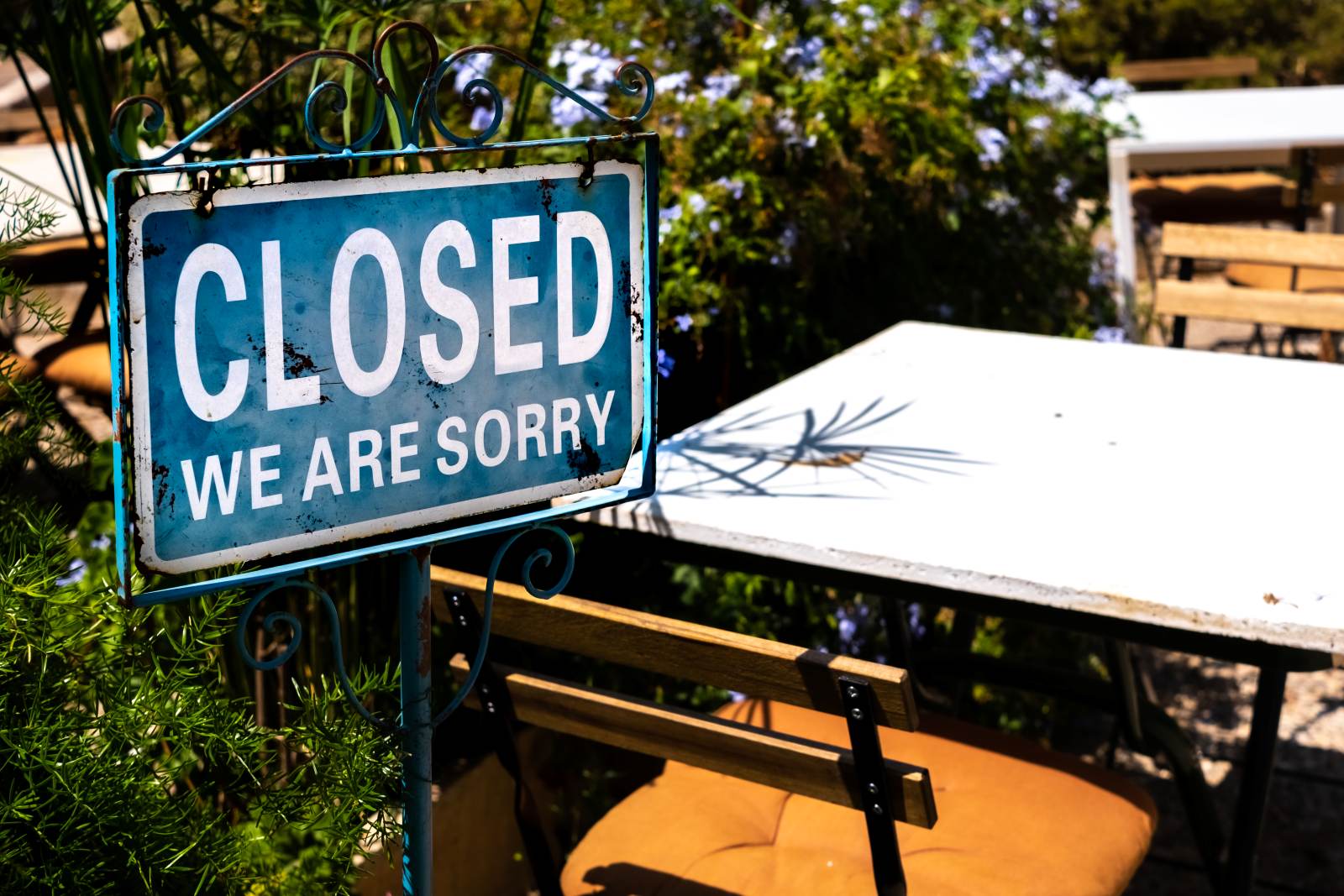
The past year has delivered stark reminders of how quickly unforeseen events can halt business operations. From devastating tornadoes across the Midwest to flooding in Pennsylvania, from Texas ice storms to Michigan power grid failures, small businesses have faced unprecedented disruptions. For specialty businesses, whether you’re operating a craft brewery, managing a fitness center, running a daycare, or providing pest control services, understanding business interruption insurance has never been more critical.
The True Cost of Business Interruption
When disaster strikes, the immediate property damage often represents just the tip of the financial iceberg. Consider what happens when a fitness center loses power for a week, forcing closure: Membership fees may need to be prorated or refunded. Employees still need to be paid to retain trained staff. Rent, insurance, and loan payments continue regardless of closure. Clients may seek alternative gyms and not return. Equipment may suffer damage from temperature fluctuations. Reopening costs include marketing to win back lost members.
The financial impact extends far beyond the obvious. A craft brewery forced to dump a batch due to refrigeration failure doesn’t just lose the product cost, they lose the sales revenue, potentially miss distributor deadlines, and may face penalties for unfulfilled contracts. A daycare center that closes for even a few days creates ripple effects as parents scramble for alternative care, potentially seeking more reliable providers.
Recent insurance industry data reveals that 40% of small businesses never reopen after a disaster, and of those that do, another 25% fail within a year. The difference between survival and closure often comes down to one factor: adequate business interruption coverage.
Understanding What Business Interruption Insurance Actually Covers
Business interruption insurance, sometimes called business income coverage, protects against financial losses when your business cannot operate due to a covered peril. However, the specifics of what’s covered can vary significantly, making it essential to understand your policy’s details.
Lost Income Protection replaces the net income your business would have earned during the closure period. This calculation typically uses your historical financial records to project what revenue would have been generated. For seasonal businesses like pest control services that see spring and summer spikes, ensuring your policy accounts for these fluctuations is crucial.
Continuing Operating Expenses coverage maintains your financial obligations during closure. This includes rent or mortgage payments, utilities that continue during closure, insurance premiums, loan payments, and key employee salaries. Without this coverage, businesses often face impossible choices between defaulting on obligations or depleting emergency reserves.
Extra Expense Coverage helps minimize the suspension period by covering additional costs to resume operations quickly. This might include expedited shipping for replacement equipment, temporary relocation expenses, overtime labor to accelerate reopening, or advertising to announce you’re back in business.
Civil Authority Coverage applies when government authorities prohibit access to your premises due to damage to neighboring properties. For instance, if a fire damages the building next to your tattoo parlor and officials close the entire block, this coverage protects you even though your property wasn’t directly damaged.
Industry-Specific Considerations
Different specialty businesses face unique business interruption challenges that require tailored coverage approaches:
Craft Beverage Producers face particular vulnerabilities with long production cycles and aging requirements. A distillery with whiskey aging for years needs coverage that accounts for the extended period before that inventory generates revenue. Breweries need protection for contamination events that might require complete sanitation even without physical damage.
Personal Care and Aesthetics Businesses often operate on appointment schedules booked weeks in advance. Business interruption insurance should account for the loss of pre-booked services and the challenge of rescheduling clients who may seek alternatives during closure.
Daycare Centers require special consideration for their unique financial model. Many parents pay monthly regardless of daily attendance, but extended closures may trigger refund obligations. Coverage should address both lost income and potential refund liabilities.
Fitness Centers and Gyms with membership models need coverage that accounts for member retention challenges. The cost of winning back members who joined competitors during your closure can exceed the immediate lost revenue.
Security Installation and Pest Control Services with scheduled service routes face cascading scheduling challenges when interruptions occur. Coverage should include the extra expenses of subcontracting to maintain client relationships or overtime costs to catch up on delayed services.
Calculating Appropriate Coverage Limits
One of the most common mistakes businesses make is underestimating their business interruption coverage needs. The 2023 tornado season provided painful lessons for many Midwest businesses that discovered their coverage limits were exhausted long before they could reopen.
Start by calculating your gross earnings, not just profit. Many businesses mistakenly insure only their net profit, forgetting that continuing expenses must also be covered. Review your financials to determine monthly operating expenses, including all fixed costs. Consider your maximum potential restoration period. While you might expect to reopen in 30 days, what if it takes 90? Or 180?
Factor in your supply chain dependencies. A personal care salon might have its physical space restored quickly but face delays obtaining specialized equipment. A craft brewery might need to wait for custom tanks to be manufactured. Your coverage period should account for these potential delays.
Don’t forget about partial interruptions. Sometimes businesses can operate at reduced capacity, but this still impacts revenue. Quality business interruption insurance includes partial loss coverage for these scenarios.
The Waiting Period Trap
Most business interruption policies include a waiting period, typically 48 to 72 hours, before coverage begins. This seemingly minor detail can have major implications. A three-day power outage might seem fully covered, but with a 72-hour waiting period, you’d receive no benefits.
Some businesses benefit from reducing or eliminating waiting periods, especially those with perishable inventory or time-sensitive operations. A daycare center that must close immediately when heating systems fail can’t afford a 72-hour waiting period in winter months.
Extended Business Interruption Coverage
Standard business interruption coverage typically ends when your property is restored. However, returning to pre-loss revenue levels often takes much longer. Extended business interruption (EBI) coverage bridges this gap, providing continued support during the recovery period.
Consider a fitness center that closes for three months due to fire damage. When it reopens, many members have joined other gyms. EBI coverage helps cover reduced income while rebuilding membership to pre-loss levels. This recovery period often extends months beyond physical restoration.
Lessons from Recent Claims
The 2024 Texas ice storms revealed critical coverage gaps many businesses hadn’t anticipated. Businesses discovered that standard policies might not cover utility service interruptions unless physical damage occurred at the business premises. Many added utility service interruption endorsements after learning this expensive lesson.
Pennsylvania flooding events highlighted the importance of understanding policy exclusions. While business interruption covers many perils, floods typically require separate coverage. Businesses near waterways learned that comprehensive protection requires coordinating multiple policies.
Michigan businesses facing supply chain disruptions discovered the value of contingent business interruption coverage. When a key supplier couldn’t deliver due to their own disaster, businesses with contingent coverage received protection even though their own facilities were undamaged.
Creating Your Business Continuity Plan
Insurance is just one component of business resilience. Effective business interruption insurance works best alongside a comprehensive continuity plan:
Document Everything: Maintain current records of income, expenses, and operations off-site or in the cloud. Create inventory lists with photos or videos. Keep copies of key contracts and vendor agreements. Insurance claims process faster with good documentation.
Identify Critical Dependencies: Map your essential suppliers, utilities, and services. Understand which disruptions would trigger coverage. Develop contingency plans for each critical dependency.
Establish Communication Protocols: Plan how you’ll communicate with employees, customers, and vendors during disruption. Prepare template messages for various scenarios. Designate communication responsibilities among team members.
Regular Review and Updates: Your business interruption insurance needs change as your business grows. Annual reviews should reassess coverage limits, waiting periods, and restoration timeframes. Update your insurer about significant changes in operations or revenue.
The Path to Resilience
Recent natural disasters have taught harsh lessons about business vulnerability, but they’ve also demonstrated the value of proper preparation. Businesses with adequate business interruption insurance and solid continuity plans have not just survived but often emerged stronger.
The key lies in viewing business interruption insurance not as an expense but as an investment in resilience. For the monthly cost equivalent to a few customer transactions, you can protect the years of work you’ve invested in building your business.
Whether you’re pouring craft beer, training fitness clients, caring for children, or protecting homes from pests, your business provides essential services to your community. Business interruption insurance ensures you can continue that service even when disaster strikes.
For specialty businesses seeking to protect their operations against unforeseen disruptions, working with insurance professionals who understand your industry’s unique needs can help ensure you have the business interruption coverage necessary to weather any storm.